
What is the Difference Between Hard and Soft Water ?
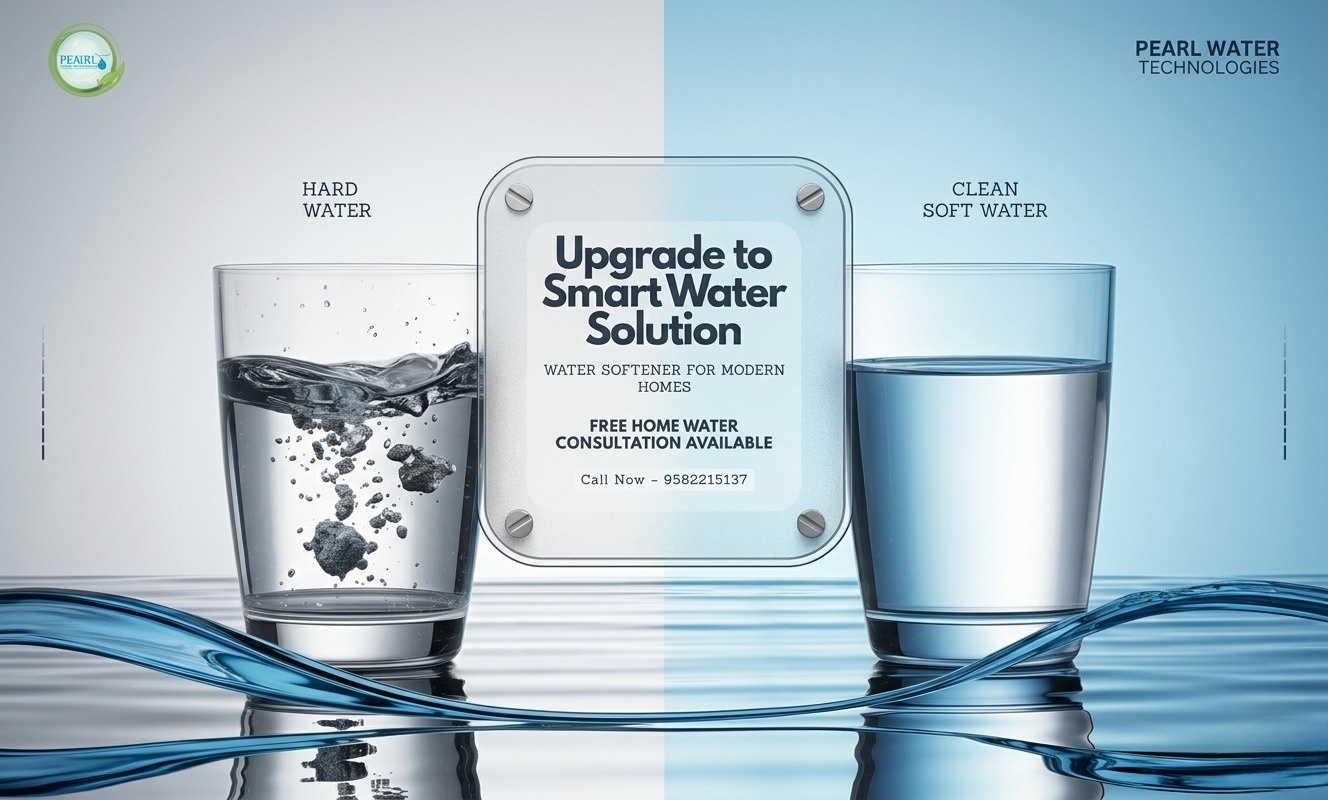
Water is one of the most essential elements of life, but did you know it comes in two forms: hard and soft? This distinction isn’t just a technical one—it can significantly impact your daily life, from how you clean to how you feel after a shower.
In this guide, we’ll explore what makes water hard or soft, their effects, and why investing in a water softener might be the solution your home needs. We’ll also help you understand why brands like Pearl Water Technologies are trusted to provide effective water-softening solutions.
What is Hard Water?
Hard water is rich in minerals like calcium and magnesium. While these minerals aren’t harmful to your health, they can create plenty of problems around the house. This happens because hard water leaves behind a residue when it evaporates, leading to chalky white deposits on your appliances and plumbing fixtures.
Signs of Hard Water:
-
Soap doesn’t lather properly, leaving a slimy residue on your skin.
-
White spots or streaks on dishes and glassware after washing.
-
Clothes feel stiff or rough after laundry.
-
Chalky buildup on faucets, sinks, and showerheads.
-
Dry skin and dull, lifeless hair after showers.
The impact of hard water on your home can be costly, as it reduces the efficiency and lifespan of appliances. That’s why so many homeowners turn to a hard water softener for relief.
What is Soft Water?
Soft water, on the other hand, contains little to no calcium and magnesium. Naturally, rainwater is soft, but as it travels through the ground, it absorbs minerals that make it hard. When treated with a water softener, these minerals are removed or neutralized, leaving the water soft and safe for everyday use.
Signs of Soft Water:
-
Soap lathers easily and rinses off cleanly.
-
No white spots or streaks on dishes.
-
Laundry feels softer and looks brighter.
-
Plumbing fixtures stay shiny and free from scale buildup.
-
Skin feels smooth, and hair looks healthy after bathing.
Key Differences Between Hard and Soft Water
Feature |
Hard Water |
Soft Water |
Mineral Content |
High in calcium and magnesium |
Low mineral content |
Soap Effectiveness |
Doesn’t lather well; leaves residue |
Lathers easily and cleans effectively |
Impact on Skin/Hair |
Causes dryness and irritation |
Leaves skin and hair soft |
Effect on Appliances |
Causes limescale buildup |
Prevents scaling and improves lifespan |
Taste |
Often metallic or chalky |
Smooth and neutral |
How Hard Water Affects Your Home
If you’re dealing with hard water, you’re probably noticing the wear and tear it can cause. Over time, the effects aren’t just cosmetic—they can be expensive to fix.
-
Scaling in Pipes and Appliances: The minerals in hard water form deposits that clog pipes and reduce water flow. This also affects appliances like washing machines, dishwashers, and water heaters, lowering their efficiency and lifespan.
-
Stains and Spots: Bathroom tiles, sinks, and glassware develop stains and streaks that are tough to clean.
-
Increased Energy Bills: Scale buildup in water heaters makes them work harder, increasing energy consumption.
-
Laundry Issues: Clothes washed in hard water often feel rough and wear out faster due to mineral residue.
How a Water Softener Can Help
A water softener is the easiest and most effective way to tackle hard water problems. It works by removing calcium and magnesium through a process called ion exchange, replacing them with sodium or potassium ions.
Benefits of Using a Water Softener for Home:
-
Prevents limescale buildup in appliances and plumbing.
-
Improves the performance of soaps and detergents, saving money.
-
Keeps skin and hair healthy by reducing dryness.
-
Makes cleaning easier with no spots or stains left behind.
-
Extends the life of appliances and reduces repair costs.
Pearl Water Technologies offers reliable water softeners for home that are easy to install and maintain, ensuring your household runs smoothly.
Types of Water Softeners
Choosing the right water softener for house use depends on your specific needs. Here are the main types:
-
Salt-Based Softeners: These systems are the most common and effective. They remove hard water minerals entirely, making the water soft.
-
Salt-Free Water Conditioners: These systems don’t remove minerals but alter their structure to prevent scaling. They’re an eco-friendly option.
-
Dual-Tank Softeners: Ideal for larger households, these systems ensure a continuous supply of soft water, even during regeneration cycles.
-
Magnetic Water Conditioners: These devices use magnets to change the properties of minerals, reducing scale without chemicals.
Pearl Water Technologies provides a wide range of options, including hard water softeners designed to meet the specific challenges of Indian households.
Why Choose Soft Water?
Soft water offers numerous advantages, making it a better choice for most homes. Here’s why you should consider switching:
-
Appliance Protection: Soft water prevents scale buildup, keeping your appliances running efficiently and lasting longer.
-
Better Cleaning: Soap works more effectively with soft water, leaving dishes, laundry, and surfaces spotless.
-
Healthier Skin and Hair: Soft water reduces dryness and irritation, making it ideal for bathing and skincare routines.
-
Cost Savings: Soft water saves money in the long run by improving energy efficiency and reducing maintenance.
Why Pearl Water Technologies?
When it comes to water-softening solutions, Pearl Water Technologies is a name you can trust. Their range of water softeners for home and house applications is designed to address even the toughest hard water challenges.
Why Choose Pearl Water Technologies?
-
High-Quality Products: Durable and reliable softeners that last for years.
-
Affordable Solutions: Competitive pricing without compromising on performance.
-
Expert Guidance: Professional advice to help you choose the perfect system for your home.
-
Excellent Support: Friendly customer service for installation and maintenance queries.
Comments (0)