
Water Softener Benefits: Why Every Home Needs One
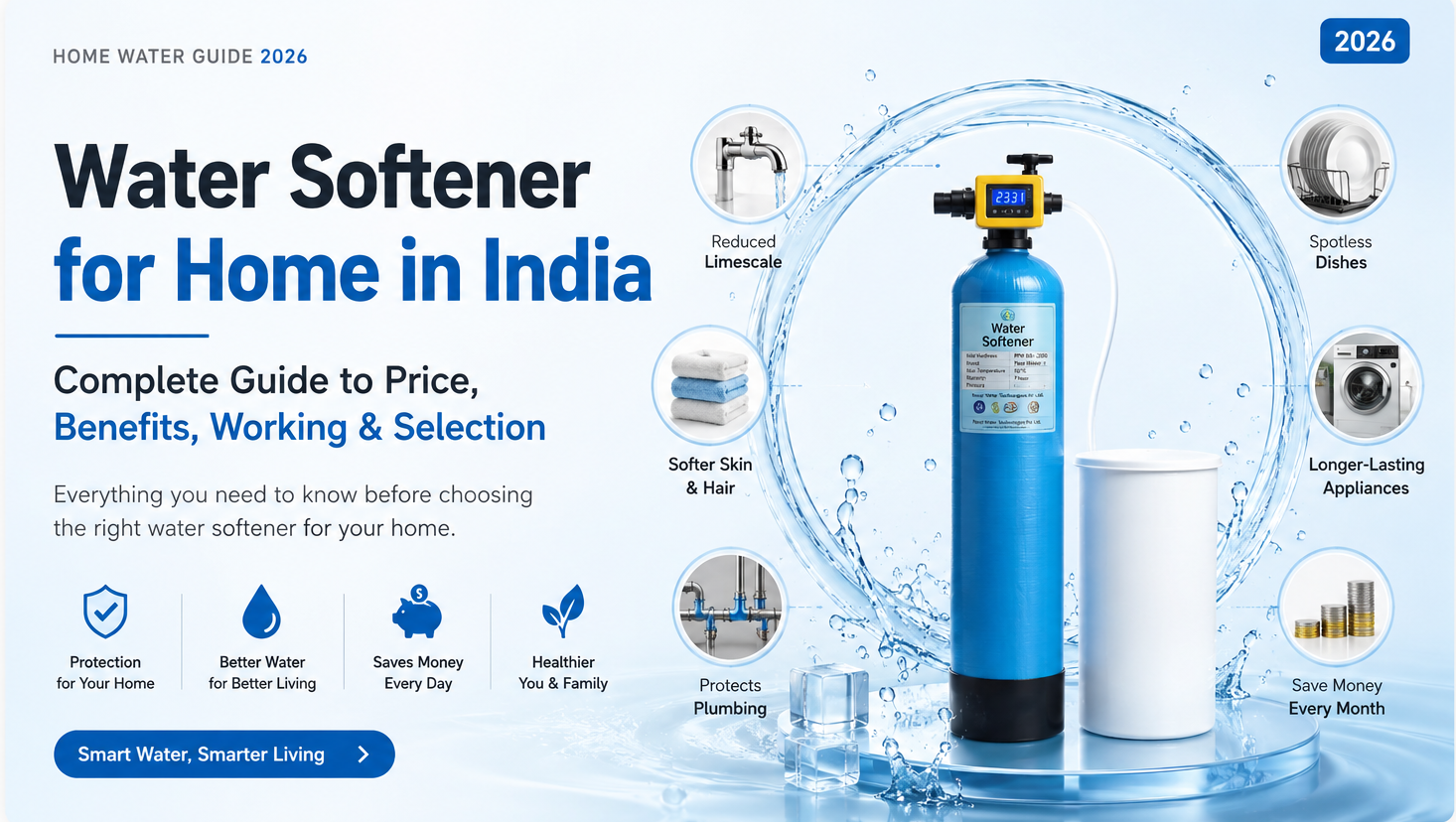
Water Softener Benefits for a Healthier and More Efficient Home
Hard water is a common problem in many households, yet many homeowners don't realize how much it affects their daily lives. From stubborn limescale buildup on faucets to reduced appliance efficiency, hard water can quietly increase maintenance costs and decrease comfort.
The good news is that installing a home water softener can solve many of these issues. Understanding the water softener benefits Can help you make an informed decision about protecting your home, appliances, and plumbing system.
In this guide, we'll explore how water softeners work, their advantages, costs, maintenance requirements, and whether they're the right investment for your household.
What Is a Water Softener?
Quick Answer
A water softener is a water treatment system designed to remove minerals such as calcium and magnesium that cause hard water.
Hard water contains high concentrations of dissolved minerals. While these minerals are generally safe to drink, they can create various household problems over time. A water softener uses an ion exchange process to replace hardness minerals with sodium or potassium ions, resulting in softer water.
Common Signs of Hard Water
-
White spots on dishes and glassware
-
Soap scum in showers and sinks
-
Dry skin and hair
-
Reduced water pressure
-
Frequent appliance repairs
-
Stiff laundry
How Does a Water Softener Work?
Quick Answer
A water softener removes hardness minerals through ion exchange, replacing calcium and magnesium ions with sodium or potassium ions.
Step-by-Step Process
-
Hard water enters the mineral tank.
-
Water passes through resin beads.
-
Resin beads attract calcium and magnesium.
-
Sodium or potassium ions are released into the water.
-
Softened water flows throughout the home.
-
The system regenerates periodically using brine solution.
This process effectively reduces mineral buildup and improves water quality for household use.
Top 10 Water Softener Benefits
1. Protects Plumbing Systems
Hard water minerals accumulate inside pipes over time, restricting water flow and increasing the risk of blockages.
Benefits include:
-
Improved water pressure
-
Reduced pipe corrosion
-
Longer plumbing lifespan
-
Lower repair costs
2. Extends Appliance Lifespan
Appliances that use water often suffer from mineral scale buildup.
Affected appliances include:
-
Water heaters
-
Washing machines
-
Dishwashers
-
Coffee makers
Soft water helps these appliances operate more efficiently and last longer.
3. Improves Energy Efficiency
Scale buildup acts as insulation inside water heaters, forcing them to work harder.
Energy Savings Benefits
-
Faster heating
-
Lower energy consumption
-
Reduced utility bills
-
Better appliance performance
Even a small amount of scale can significantly impact efficiency.
4. Softer Skin and Healthier Hair
Hard water can leave mineral residue on skin and hair.
Soft Water Advantages
-
Smoother skin
-
Reduced dryness
-
Softer hair texture
-
Better soap rinsing
Many homeowners notice immediate improvements after installing a water softener.
5. Cleaner Dishes and Glassware
Hard water often leaves cloudy spots and streaks.
Soft water helps:
-
Eliminate water spots
-
Improve dishwasher performance
-
Produce cleaner dishes
-
Reduce detergent usage
6. Better Laundry Results
Minerals in hard water can make fabrics feel rough and appear dull.
Benefits include:
-
Softer clothes
-
Brighter colors
-
Longer fabric life
-
Reduced detergent requirements
7. Reduces Soap and Detergent Usage
Soft water allows soaps and detergents to lather more effectively.
Households typically use:
-
Less laundry detergent
-
Less dish soap
-
Less shampoo
-
Less cleaning products
This can result in noticeable long-term savings.
8. Easier Household Cleaning
Soap scum and mineral deposits make cleaning more difficult.
Soft water reduces:
-
Bathroom stains
-
Shower buildup
-
Faucet scaling
-
Cleaning time
9. Reduces Maintenance Costs
Hard water can damage plumbing fixtures and appliances.
By preventing scale buildup, a home water softener helps reduce:
-
Appliance repairs
-
Plumbing maintenance
-
Replacement costs
10. Increases Home Value
Many buyers appreciate homes equipped with water treatment systems, especially in regions with hard water issues.
A professionally installed water softener can become a valuable selling feature.
Types of Water Softeners
Quick Answer
The best water softener depends on household size, water hardness level, and maintenance preferences.
|
Type |
Best For |
Pros |
Cons |
|
Salt-Based |
Most homes |
Highly effective |
Requires salt refills |
|
Salt-Free |
Low maintenance |
Eco-friendly |
Less effective for severe hardness |
|
Dual-Tank |
Large households |
Continuous soft water |
Higher cost |
|
Magnetic/Electronic |
Small-scale applications |
Easy installation |
Mixed performance results |
Water Softener Installation Considerations
Before purchasing a system, consider:
Water Hardness Level
Conduct a professional water test to determine hardness.
Household Water Usage
Larger families often require higher-capacity systems.
Available Space
Ensure sufficient room for installation and maintenance access.
Local Water Regulations
Check local requirements regarding water softener discharge.
Water Softener Cost Factors
Quick Answer
Most homeowners can expect total costs to vary depending on system type, capacity, and installation complexity.
Factors Affecting Cost
-
System size
-
Brand quality
-
Installation labor
-
Additional filtration systems
-
Ongoing salt requirements
While upfront costs may seem significant, long-term savings often offset the investment.
Water Softener Maintenance Tips
To maximize performance:
Maintenance Checklist
-
Refill salt regularly
-
Clean brine tank annually
-
Inspect resin bed periodically
-
Check system settings
-
Schedule professional servicing when needed
Proper maintenance can help a system operate efficiently for many years.
Common Water Softener Mistakes to Avoid
1. Choosing the Wrong Size
Undersized systems regenerate too frequently.
2. Ignoring Water Testing
Accurate hardness measurements are essential.
3. Skipping Maintenance
Neglected systems lose efficiency.
4. Incorrect Installation
Professional installation often ensures optimal performance.
5. Focusing Only on Price
The cheapest system may not deliver long-term value.
Expert Tips for Getting the Most from Your Water Softener
-
Test water hardness before purchasing.
-
Select a system based on household demand.
-
Use high-quality salt products.
-
Schedule annual inspections.
-
Pair softening with additional filtration if necessary.
Professional water analysis can help determine the best solution for your home's specific water conditions.
Key Takeaways
-
Water softeners remove calcium and magnesium from hard water.
-
Major water softener benefits include appliance protection, lower maintenance costs, and improved cleaning performance.
-
Soft water improves skin, hair, laundry, and overall household efficiency.
-
Choosing the correct system size is essential for performance.
-
Regular maintenance ensures long-term reliability.
Frequently Asked Questions
What is the biggest benefit of a water softener?
The biggest benefit is preventing hard water scale buildup, which protects plumbing, appliances, and fixtures while improving overall household efficiency.
How does a water softener improve appliance lifespan?
By removing hardness minerals, soft water prevents scale accumulation that can damage internal components and reduce efficiency.
Is softened water safe to drink?
Yes, softened water is generally safe to drink. However, individuals on sodium-restricted diets may wish to discuss options with a healthcare professional.
How often should a water softener be serviced?
Most systems benefit from annual inspections and routine maintenance throughout the year.
Can a water softener reduce energy bills?
Yes. Water heaters operate more efficiently without scale buildup, which can help reduce energy consumption.
Do water softeners require a lot of maintenance?
Most systems require only periodic salt refills and occasional cleaning.
What is the best type of water softener?
Salt-based systems are typically considered the most effective solution for severe hard water problems.
Conclusion
The many water softener benefits make these systems a worthwhile investment for homeowners dealing with hard water. From protecting plumbing and appliances to improving cleaning efficiency and personal comfort, a quality home water softener can deliver significant long-term value.
By understanding your water quality, selecting the right system, and following proper maintenance practices, you can enjoy the full range of soft water advantages while extending the life of your household infrastructure.
Call to Action
Ready to solve hard water problems in your home? Schedule a professional water test today and discover the best water treatment system for your household needs.
Comments (0)