FAQS
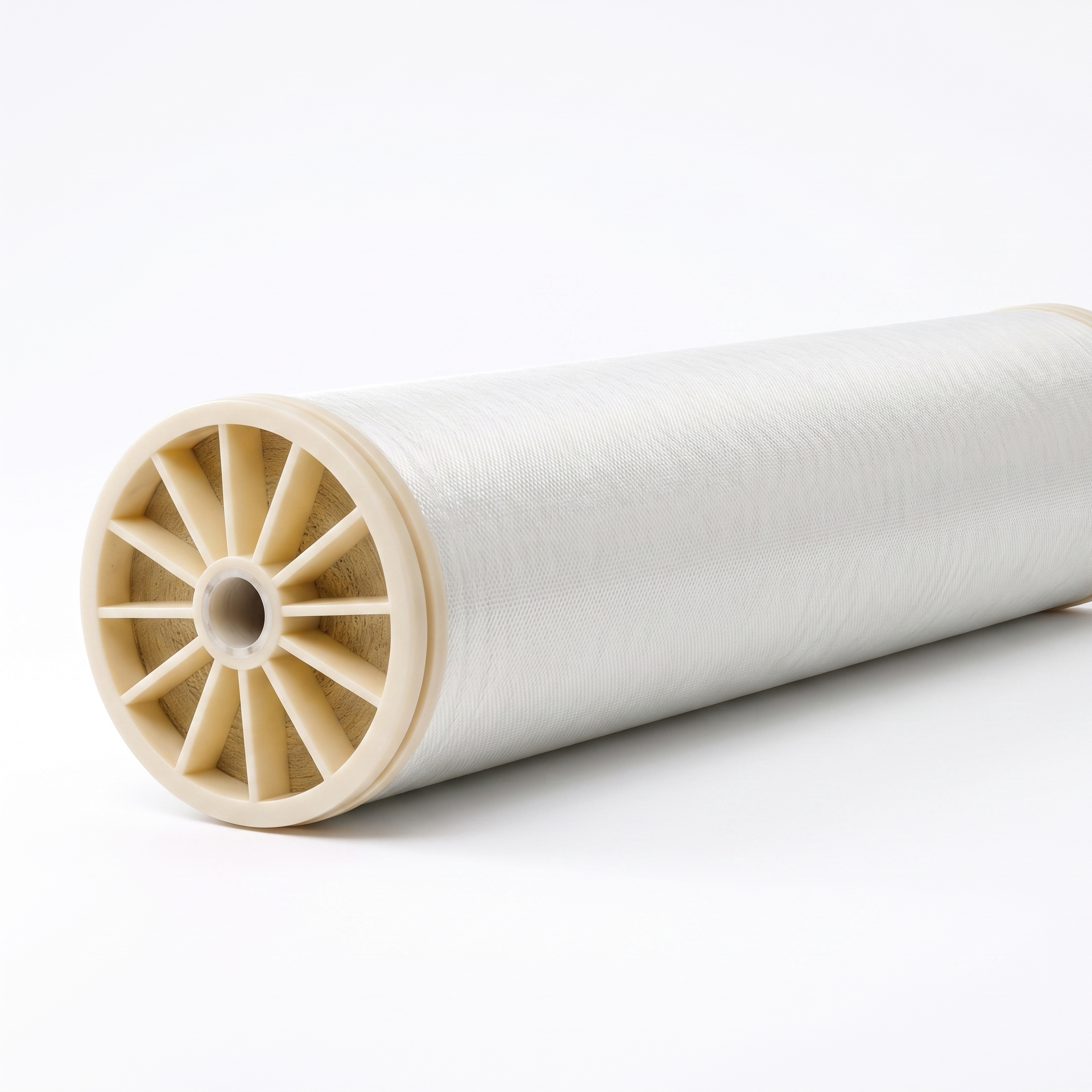
1. What is the Toray TML20D-400 membrane designed for?
It's a low-fouling brackish water RO membrane, specifically engineered for feed water with high fouling potential — water containing organics, bacteria, or other fouling-prone contaminants — while maintaining high chemical tolerance.
2. What is the salt rejection rate?
99.8% nominal NaCl rejection, with a minimum guaranteed rejection of 99.65%.
3. What is the flow rate?
10,500 GPD (39.7 m³/d) nominal product flow, with a minimum rated flow of 8,400 GPD.
4. What size is this membrane?
Standard 8040 format, with 400 sq. ft (37 m²) of active membrane area.
5. What makes this a "low fouling" membrane specifically?
An improved hydrophilic polymer surface layer that minimizes the accumulation of foulants — reducing how often the membrane needs chemical cleaning compared to a standard brackish water membrane, especially useful for wastewater reuse and difficult feed water sources.
6. What operating pressure does this membrane require?
Maximum operating pressure is rated up to 365 psi (2.5 MPa); standard test conditions use 225 psi.
7. What water quality does this membrane require going in?
Maximum feed Silt Density Index (SDI) of 5, chlorine tolerance below 0.1 ppm, with a continuous-operation pH range of 2–11.
8. How is this different from the standard TMG20D-400?
Both are 8040-format, 400 sq. ft brackish water membranes with similar rejection performance, but the TML20D-400's low-fouling hydrophilic coating makes it the better choice for water sources prone to organic or biological fouling, while the TMG20D-400 suits standard moderate-salinity applications.
9. What applications is this membrane used for?
Municipal, industrial, commercial, and process water treatment — particularly water reuse and wastewater-to-permeate applications where fouling resistance matters most.