FAQS
1. What is the Toray TM810V membrane used for?
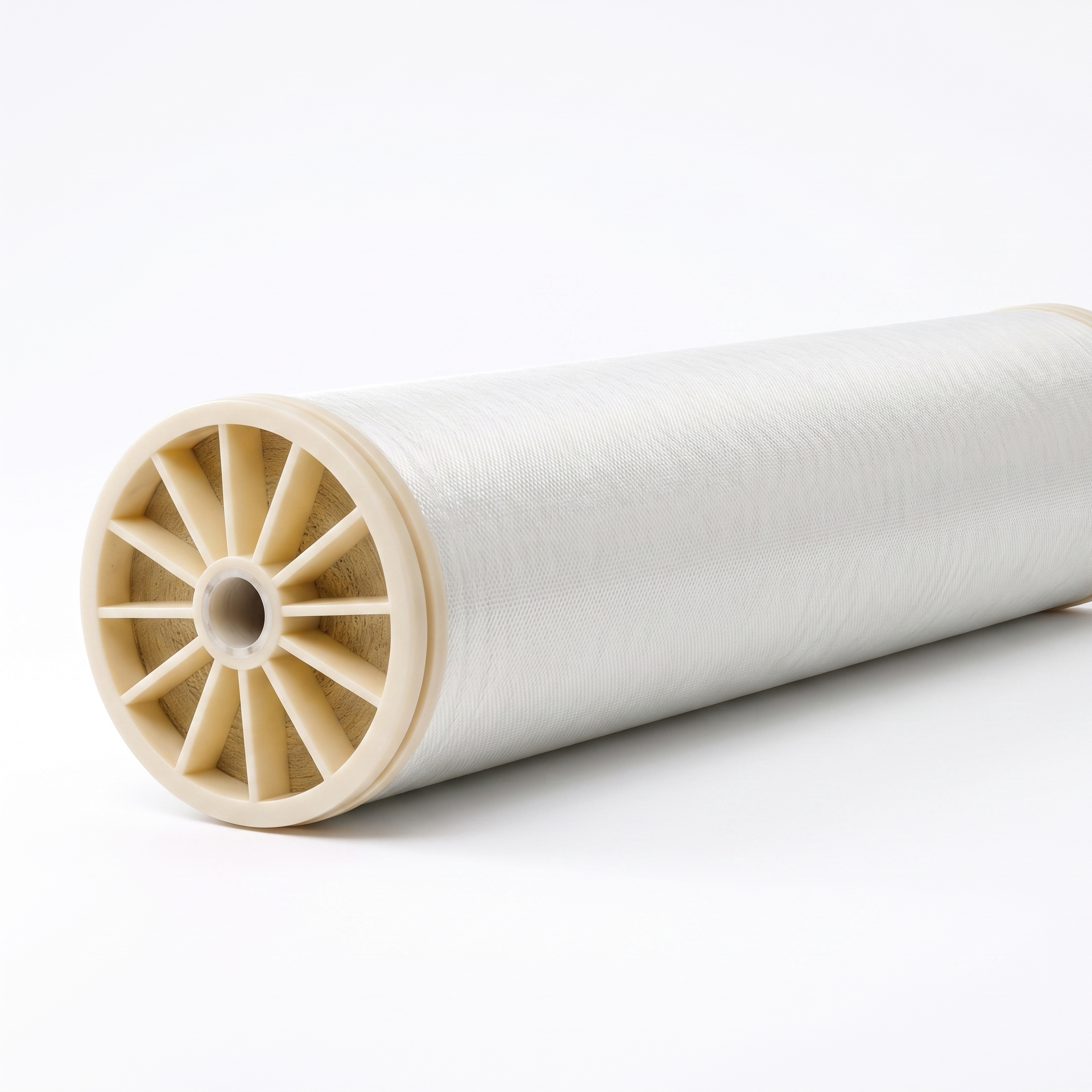
It's a seawater reverse osmosis membrane, built for high-salinity desalination applications rather than standard brackish or municipal water treatment.
2. What is the flow rate and salt rejection of the TM810V?
1,900 GPD (7.2 m³/d) product flow rate, with 99.8% salt rejection and a minimum guaranteed rejection of 99.5%.
3. What size is this membrane?
4-inch diameter, with 87 sq. ft (8 m²) of active membrane area — a compact size compared to the 8-inch TM820V models used in larger seawater plants.
4. What operating pressure does this membrane require?
Up to 1200 psi (8.3 MPa) maximum, reflecting the higher osmotic pressure needed to desalinate seawater compared to brackish water membranes.
5. What are the test conditions behind these performance figures?
800 psi feed pressure, 77°F (25°C), 32,000 mg/L NaCl feed concentration, 8% recovery rate, and feed water pH of 7 — standard seawater test conditions used across Toray's TM800-series membranes.
6. What is the minimum guaranteed flow rate?
1,550 GPD — the floor performance guarantee even under less-than-ideal conditions.
7. Does this membrane remove boron?
Yes — typical boron rejection is 92% at pH 8, relevant for seawater sources where boron levels can affect water quality for certain end uses.
8. What water quality does this membrane require going in?
Maximum feed Silt Density Index (SDI) of 5, chlorine tolerance below 0.1 ppm, and a continuous-operation pH range of 2–11.
9. How is this different from the TM820V models?
The TM810V is a smaller 4-inch element (87 ft², 1,900 GPD) suited to smaller-scale seawater systems, while the TM820V-400 and TM820V-440 are larger 8-inch elements (7,500–8,250 GPD minimum flow) built for higher-capacity desalination plants.