


10-Apr-2025
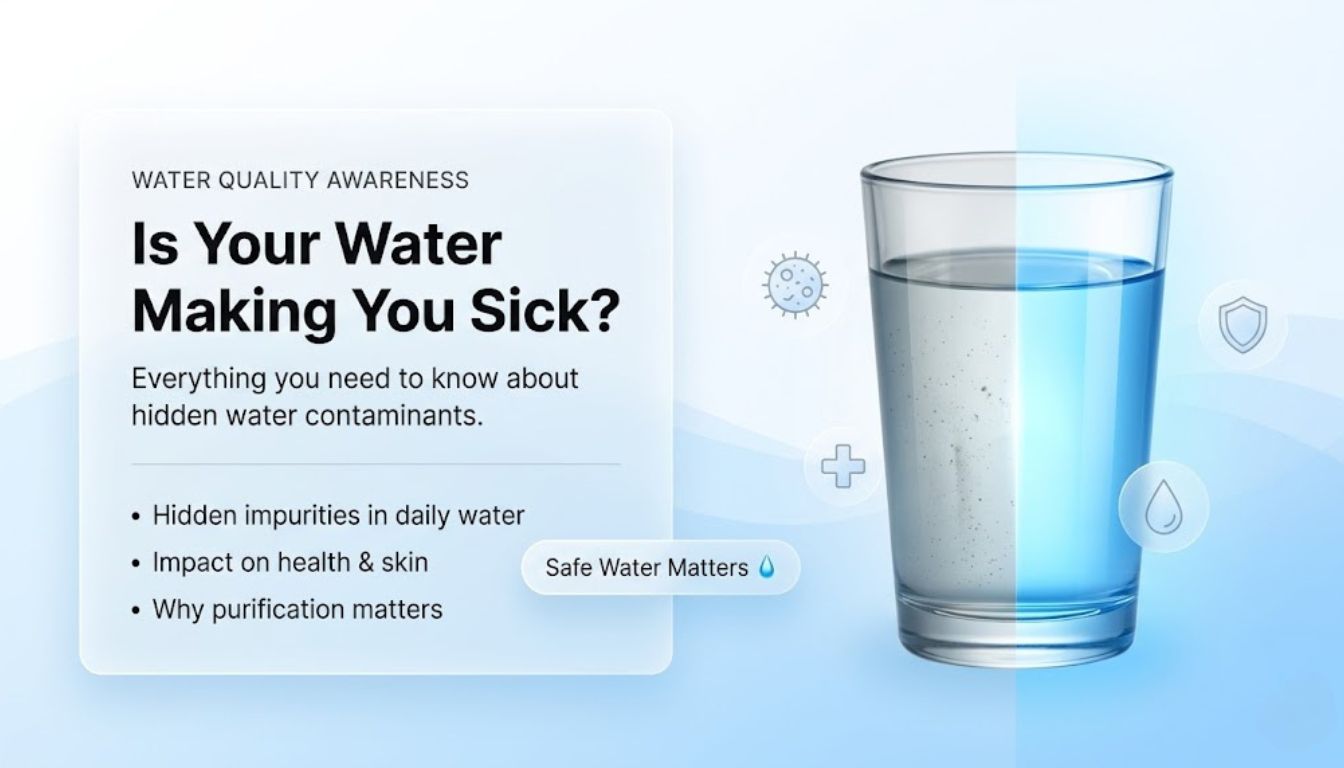
Water keeps us alive and healthy, but that doesn’t mean every glass of it is safe to drink. We drink it, cook with it, bathe in it, and use it to clean our homes. But what if the water we use every day isn't safe? Poor water quality is more common than we think, and its effects on our health can be quite serious. In this blog, we’ll dive into what poor water quality really means and how it can negatively impact our health in everyday life.
How Poor Water Quality Affects Our Health
1. Waterborne Diseases
Waterborne diseases are caused by drinking water that is contaminated with harmful microorganisms. These include bacteria, viruses, and parasites. Drinking untreated or dirty water can lead to serious illnesses. Common waterborne diseases include:
2. Digestive Issues
Contaminated water can upset your digestive system, causing frequent stomach aches, bloating, vomiting, and diarrhea. Repeated exposure can lead to long-term gut problems and malnutrition, especially in young children who depend on clean water for growth and development.
3. Reproductive Health Issues
Long-term exposure to certain chemicals and heavy metals in drinking water has been linked to reproductive problems. These may include hormonal imbalances, reduced fertility, birth defects, and complications during pregnancy.
4. Skin and Eye Irritations
Using contaminated water for bathing or washing can cause skin rashes, infections, or irritation. People with sensitive skin or conditions like eczema may notice their symptoms worsening. In some cases, exposure can lead to eye infections or even damage to vision if harmful substances are present.
5. Cancer Risks
Some chemical pollutants found in water, such as arsenic and industrial solvents, have been linked to various types of cancer. Drinking water with such toxins over a long period increases the risk of developing bladder, liver, or kidney cancer.
Can a Water Purifier Help?
Yes, a water purifier can help prevent waterborne diseases and other health issues by removing harmful germs, dirt, and chemicals from your drinking water. Modern purifiers use multiple filtration stages to ensure that water is safe, clean, and healthy. Let’s understand how the main parts of a purifier work to protect your health.
Key Components of a Water Purifier
1. Sediment Filter
This is the first filter in most purifiers. The sediment filter is responsible for removing visible particles like sand, dust, mud etc.
Though these particles may not directly cause diseases, they can affect the taste and clarity of water. More importantly, sediment can clog and damage the internal parts of the purifier. Removing these solids in the first stage helps the next filters do their job better.
2. Carbon Filter
Next comes the carbon filter, which improves water quality by removing chlorine, pesticides, organic pollutants, bad odors and taste
Chlorine is commonly used in municipal water to kill bacteria, but it can leave behind an unpleasant taste. The carbon filter not only improves the flavor of water but also removes many harmful chemicals that could affect your health in the long run.
3. RO Water Membrane (Reverse Osmosis)
The RO water membrane is one of the most important parts of a modern purifier. The water is forced through this very thin membrane with tiny holes. This membrane blocks:
The RO water membrane provides deep purification, especially in areas where the water has high TDS (Total Dissolved Solids).
Benefits of Using a Water Purifier
Using a water purifier at home offers many health benefits:
How to Choose the Right Water Purifier
Finding the right water purifier starts with understanding the quality of water you receive at home. Different water sources contain different types of impurities—so your purifier should be chosen based on what exactly needs to be filtered out.
Here’s a helpful breakdown to guide you:
Go for a purifier that includes an RO water membrane, along with a sediment filter and a carbon filter. This setup is ideal for removing excess minerals, heavy metals, and other dissolved contaminants commonly found in hard or borewell water.
You probably don’t need RO. A combination of UV, UF, and a carbon filter will usually be enough to eliminate microorganisms and improve taste, without removing essential minerals.
A sediment filter is essential. Pair it with UF or RO filtration to make sure you're protected from both dirt and microbial contamination.
A carbon filter can help remove odors, chlorine, and chemical residues. Depending on the TDS level, you can combine it with RO or UV purification for added safety.
To make the best decision, it’s a good idea to test your water first. A basic water quality check can help identify the type of impurities present—so you can choose a purifier that targets exactly what your water needs.
Conclusion
Clean water is more than just a convenience—it’s a necessity for good health. Unfortunately, many people around the world still don’t have access to safe drinking water. Poor water quality doesn’t just cause short-term illness; it can affect every part of your body and even impact your future health. By understanding the risks and taking steps to protect yourself and your family, you can make a big difference. And remember, water safety is not just a personal issue—it’s a shared responsibility.
Discover trusted water purifier solutions tailored to your needs at Pearl Water Technologies—because clean, healthy water starts with the right choice.
Leave A Comment